





EXCLUSIV Italy in the Hormuz crisis: diplomacy, naval missions and food security. Editorial by Minister Tajani
18 Mai 2026




Covering the direct sale of advanced electronic warfare systems, the contract highlights both the growing importance of the electromagnetic domain in modern defence planning and Poland’s commitment to strengthening its capabilities against increasingly complex and sophisticated threats. For ASELSAN, the agreement stands as a clear endorsement of its technological maturity, system-level expertise and operational credibility in one of defence’s most demanding fields.
A Strategic Decision by a Key NATO Ally
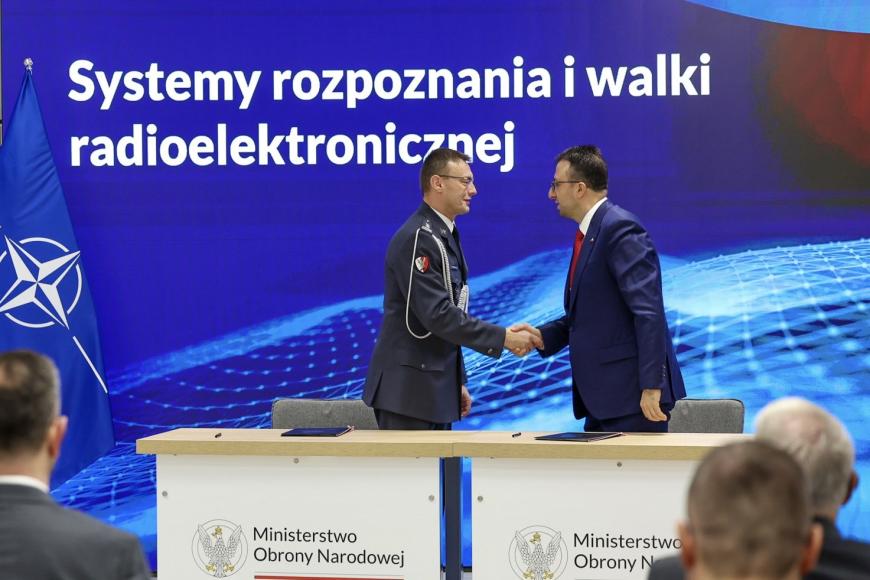
Poland’s decision to select ASELSAN carries strategic weight well beyond the contract value itself. As one of NATO’s largest armed forces and a frontline ally on the Alliance’s eastern flank, Poland has placed electronic warfare at the core of its defence modernisation efforts. The ability to detect, deny and disrupt adversary sensors and communications is now widely recognised as a prerequisite for survivability and freedom of action in high-intensity operations.
The contract was awarded after a rigorous evaluation process in which ASELSAN outperformed international competitors, reflecting its strong track record in delivering complex, mission-critical EW systems. During the signing ceremony, Polish Deputy Prime Minister and Minister of National Defence Władysław Kosiniak-Kamysz emphasised the strategic importance of the agreement and highlighted Türkiye’s broader defence-industrial transformation, underlining how the country has shifted from heavy reliance on foreign suppliers to developing advanced indigenous capabilities, particularly in air and electronic warfare domains. In this context, ASELSAN’s success was presented as a tangible outcome of that transformation.
From National Champion to European Partner

For more than four decades, ASELSAN has been at the forefront of electronic warfare development, serving as the primary EW supplier to the Turkish Armed Forces while steadily expanding its international footprint. Today, the company operates Europe’s largest electronic warfare facility and delivers systems that span the full EW lifecycle, from signal intelligence and electronic support to electronic attack and integrated spectrum control.
The Polish contract represents a major step in ASELSAN’s European journey, positioning the company not only as a supplier but as a long-term partner capable of supporting NATO-aligned operational concepts and interoperability requirements. It is also expected to serve as a strong reference for other European and allied nations assessing their own electronic warfare needs.
Why Electronic Warfare Has Become Mission-Critical
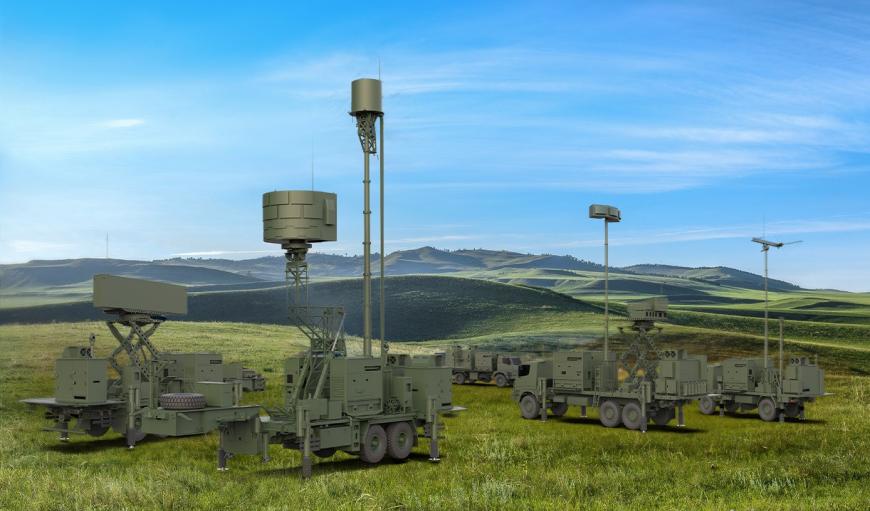
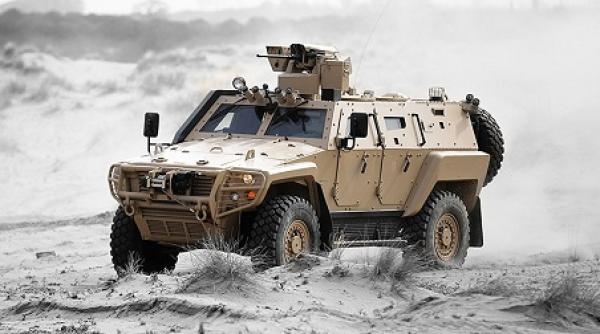
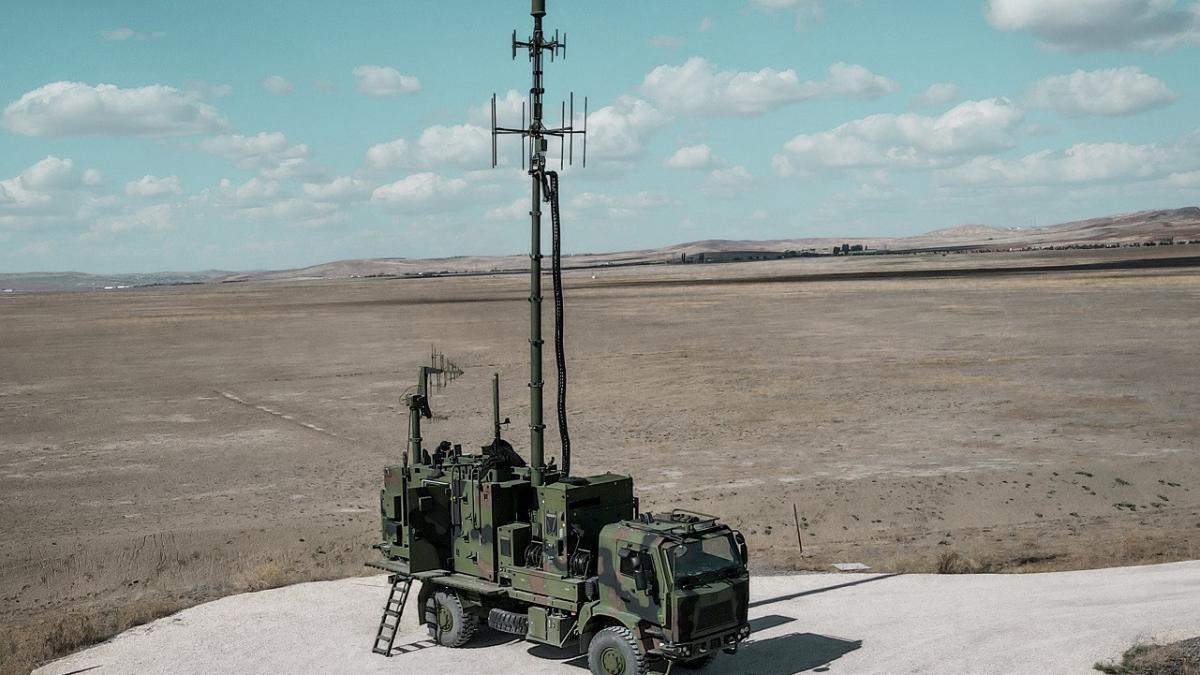
Photo: ASELSAN KORAL systems
Recent conflicts have underscored a fundamental shift in how wars are fought. Precision weapons, integrated air and missile defence systems, networked command structures and unmanned platforms all depend on access to, and control of, the electromagnetic spectrum. As a result, electronic warfare has evolved from a supporting capability into a frontline operational enabler.
Modern EW systems must do far more than traditional jamming. They are expected to detect and characterise signals across congested spectra, respond dynamically to multiple emitters, support real-time decision-making and integrate coherently with air defence and command-and-control architectures. Equally important, these systems must be mobile, resilient and deployable at scale within allied frameworks such as NATO.
For countries along NATO’s eastern flank, including Poland and Romania, these requirements are particularly acute. Strategic geography, increasing investment in air and missile defence, and the need to deter and counter high-end threats place electronic warfare at the heart of national defence postures.
ASELSAN’s approach to electronic warfare is built around layered and complementary capabilities designed to ensure spectrum awareness, deny adversary access and protect friendly forces across operational domains. Across this portfolio, ASELSAN’s electronic warfare solutions are combat proven, having demonstrated operational effectiveness in real-world deployments.
At the strategic level, the KORAL family delivers powerful radar electronic warfare effects, shaping the battlespace through advanced detection, analysis and suppression of hostile sensors. This capability is reinforced by VURAL radar electronic support and electronic attack systems, providing additional flexibility and depth in countering complex radar environments.
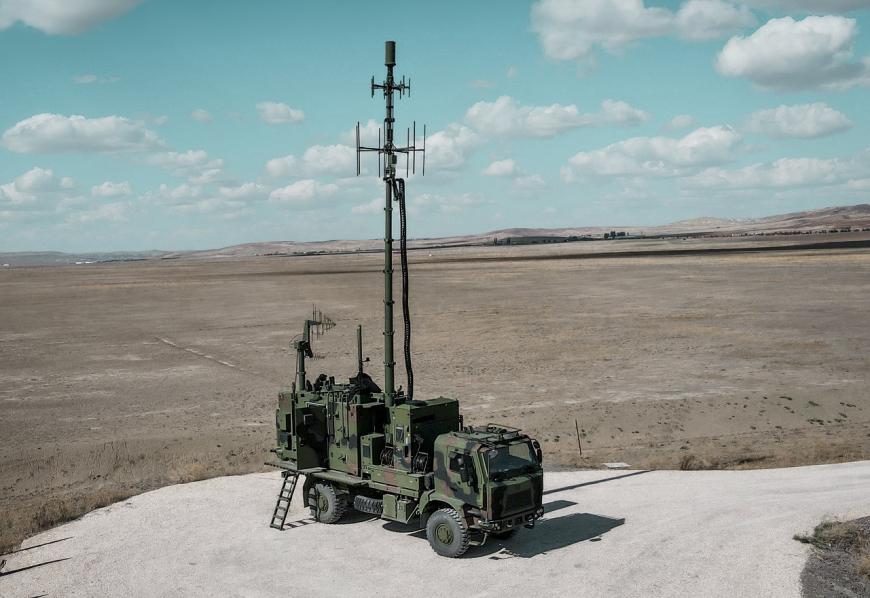
Photo: ASELSAN ILGAR systems
At the tactical layer, mobile and deployable systems such as PUHU 3-LT for V/UHF electronic support, alongside PUHU 4-LT and PUHU 4-LCT for high-frequency direction finding and monitoring, enable persistent situational awareness across wide and congested spectrum environments. For active spectrum denial, ASELSAN fields mobile electronic attack solutions including ILGAR 340-LT in the V/UHF band and ILGAR 420-LT for high-frequency jamming, offering scalable response options against diverse threat profiles.
Complementing ground-based assets, ANTIDOT family electronic warfare payloads extend these capabilities onto unmanned aerial platforms. Designed for full compatibility with Bayraktar TB2 unmanned aerial vehicles, including those operated by Romania, ANTIDOT offers a future-ready option to expand airborne electronic warfare capacity without introducing new platforms. The TB2–ANTIDOT combination has been validated through combat-proven operational use, demonstrating reliable and agile EW effects in contested environments, and highlights the potential of unmanned systems to deliver forward-deployed electronic warfare support within joint and allied operations.
ASELSAN’s success in Poland resonates well beyond a single national programme. For countries such as Romania, which are also investing heavily in air defence, networked command systems and NATO interoperability, the Polish contract offers a practical example of how advanced electronic warfare capabilities can be integrated into broader defence architectures.
It also reflects a growing openness among European nations to diversify their defence-industrial partnerships, selecting suppliers based on performance, maturity and operational relevance rather than geography alone. In this respect, ASELSAN’s combination of proven systems, extensive R&D investment and experience with NATO-aligned forces positions it as a compelling partner for the evolving security needs of the region.
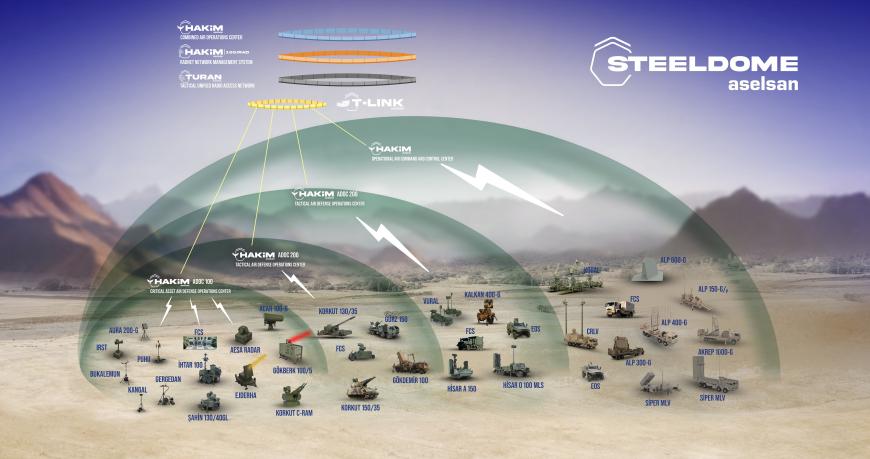
Photo: STEELDOME
As defence planners look toward the future, the importance of the electromagnetic domain will only increase. Conflicts defined by speed, complexity and information dominance demand systems that can adapt rapidly, operate collaboratively and deliver reliable performance under pressure. Within multi-layered air and missile defence architectures such as SteelDome, electronic warfare fulfils a critical enabling function by shaping the electromagnetic environment, degrading adversary sensors and supporting the effectiveness and survivability of kinetic defence layers.

Photo: In 2025 alone, 47 key components including EW units, worth $460 million, were delivered to the Turkish Armed Forces by ASELSAN
ASELSAN’s landmark contract in Poland demonstrates how electronic warfare has moved to the centre of defence planning and how suppliers with deep technical expertise and operational experience are shaping the next generation of capabilities. In an era where decisive engagements are often fought invisibly, preparedness in the electromagnetic spectrum is no longer optional. It is a strategic necessity.